

Dobro dosli na kreativni dizajn
×

Lavenda (Lavandula angustifolia)

Reference:
1183

Perennial evergreen shrub native to the Mediterranean region

Read moreShow less
RSD350.00
Select the seedling height
  • 140cm
  • 170cm
On stock
Description

Plant Description

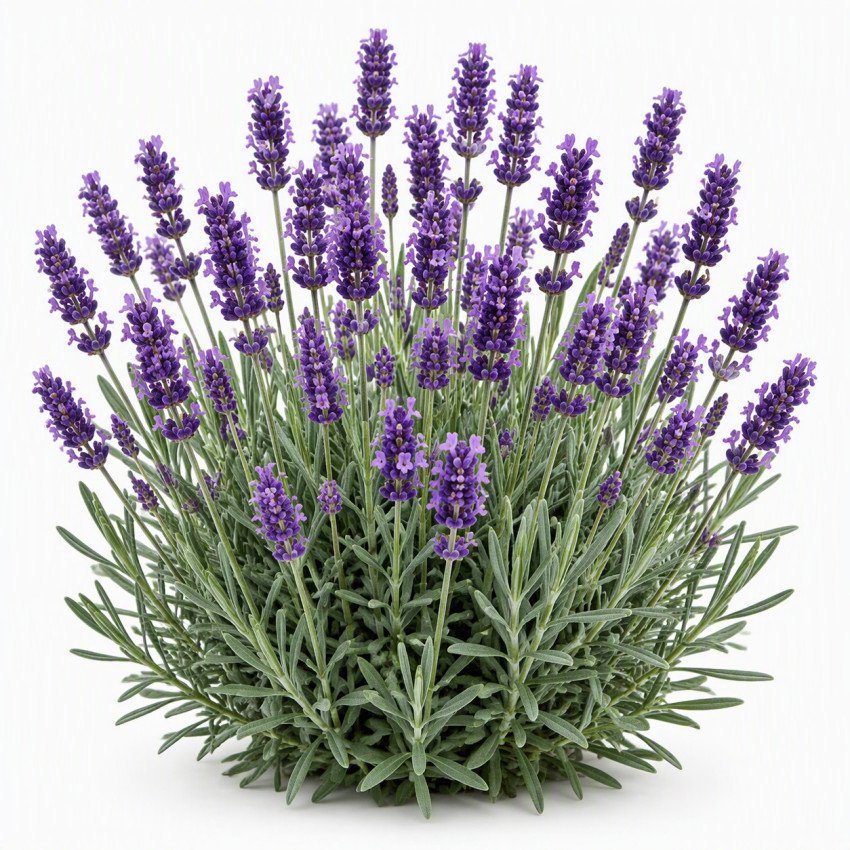
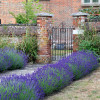
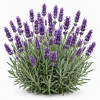
Lavender (Lavandula angustifolia), also known as English lavender or true lavender, is a perennial evergreen shrub native to the Mediterranean region. It is famous for its fragrant purple flowers and attractive silver-green foliage, bringing both color and aroma to gardens.

Thanks to its exceptional drought tolerance, long flowering period, and pleasant scent, lavender is one of the most popular ornamental and aromatic plants for gardens, borders, rockeries, and containers.

Key Characteristics

Botanical Name: Lavandula angustifolia
Family: Lamiaceae (Mint Family)
Plant Type: Evergreen perennial shrub
Growth Habit: Compact, bushy form
Flower Color: Purple to violet-blue
Fragrance: Strong and aromatic
Height: 40–80 cm
Spread: 50–100 cm
Flowering Period: June – August

Appearance

Lavender forms dense, rounded mounds of narrow silver-green leaves that remain attractive throughout the year.

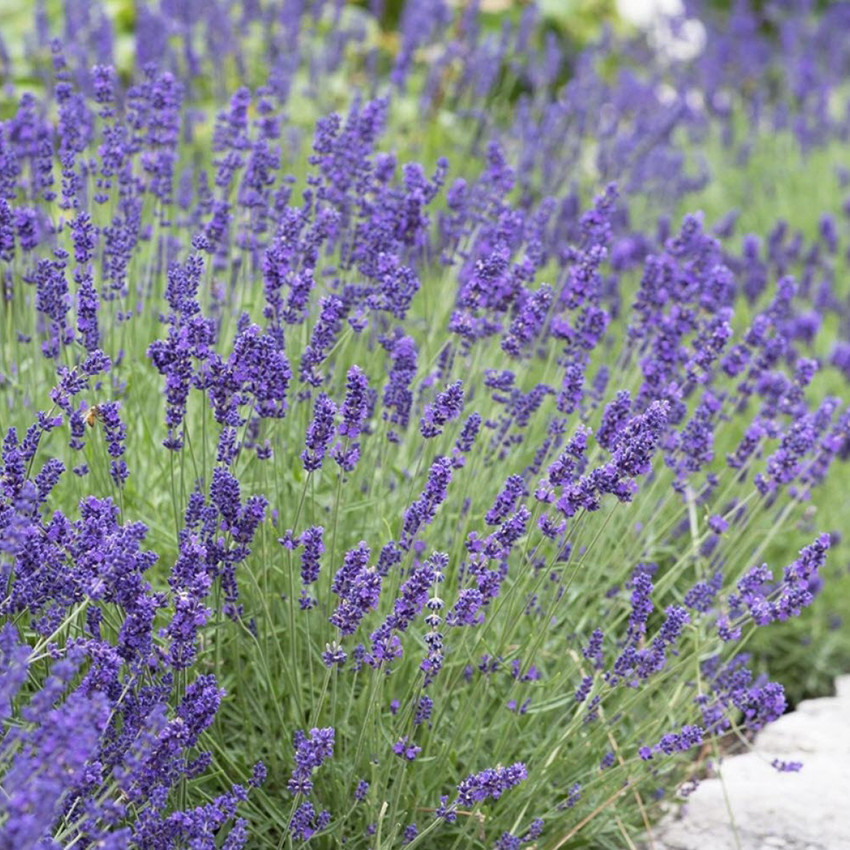
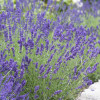
During summer, it produces numerous upright flower spikes covered with small, highly fragrant purple blossoms.

Its flowers attract bees, butterflies, and other beneficial pollinators, making it a valuable addition to wildlife-friendly gardens.

Growing Conditions

Location

  • full sun
  • warm, sunny positions

Lavender performs best in locations receiving at least 6 hours of direct sunlight per day.

Soil

  • well-drained soil
  • poor to moderately fertile soil
  • neutral to slightly alkaline conditions

It does not tolerate waterlogged soils or prolonged moisture around the roots.

Hardiness

  • Excellent drought tolerance
  • Handles high summer temperatures well
  • Cold hardy down to approximately -20°C
  • Generally resistant to pests and diseases

Maintenance

  • Water regularly after planting until established.
  • Established plants require minimal watering except during prolonged drought.
  • Prune lightly after flowering to maintain a compact shape.
  • Avoid excessive fertilization, which can reduce flowering.
  • Remove damaged or dead stems in early spring.

Garden Uses

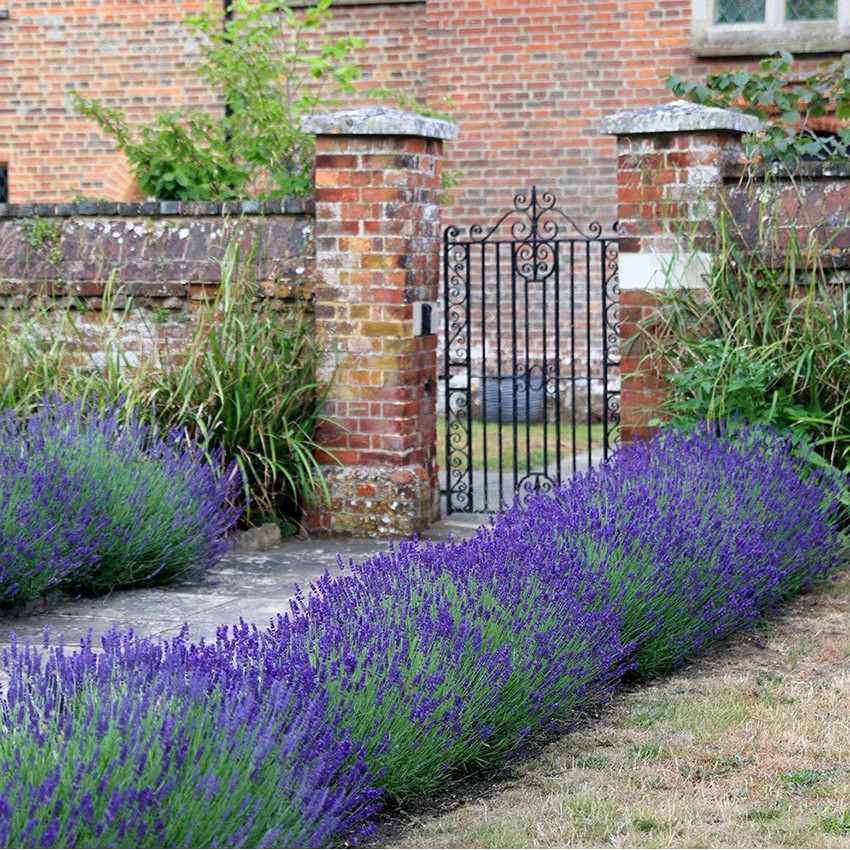
  • fragrant borders and edging
  • Mediterranean-style gardens
  • rock gardens and dry landscapes
  • containers and patio pots
  • pollinator-friendly gardens
  • dried flower arrangements and crafts

Planting Spacing

For Mass Planting

40–60 cm between plants

For Borders and Hedges

30–40 cm between plants

Advantages of Lavender

  • Beautiful fragrance throughout the flowering season
  • Long-lasting and abundant blooms
  • Low-maintenance plant
  • Highly drought tolerant
  • Attracts bees and butterflies
  • Suitable for a wide variety of garden styles
  • Decorative year-round foliage

Important Before Purchase

Lavender requires plenty of sunlight and excellent drainage to thrive and produce abundant flowers.

In poorly drained or heavily shaded locations, growth may be weak and root rot can occur.

Tip: Plant lavender in groups for the most impressive visual effect. During flowering, it creates beautiful fragrant drifts of color while attracting pollinators and bringing a classic Mediterranean atmosphere to your garden.
Read moreShow less
Product Details
1183
Reviews
No comments
4 other products in the same category:
Close
Click for more products.
No products were found.

Menu

Settings

QR code

Share

Create a free account to save loved items.

Sign in

Create a free account to use wishlists.

Sign in